How Art Helps your Wellbeing
How Art Helps your Wellbeing
Interview with Elizabeth Waggett
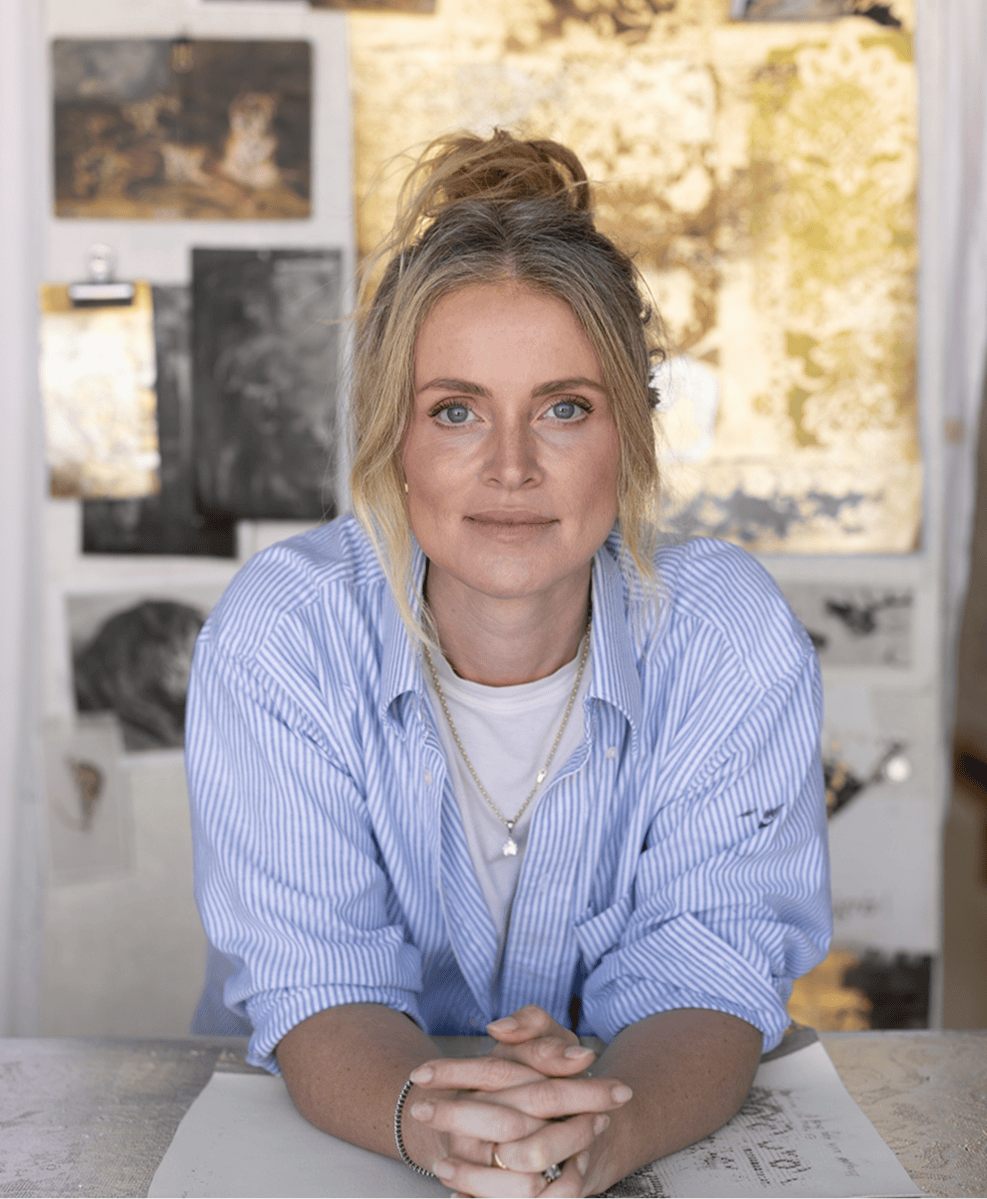
Eminently modern and free spirited, British artist Elizabeth Waggett's artwork focuses on the confusions of today's society. She challenges the viewer to confront the relationship between humanity’s preconceived notions of value and worth in a consumable world.
Her works are highly sought after and she has had solo exhibitions in Los Angeles, Abu Dhabi, London, Miami and New York. In addition to these, Elizabeth has exhibited her work at international art fairs including Basel, Miami, NewYork, London, Hong Kong, Zurich, Brussels, Houston, and Paris and was commissioned by HRH The Prince of Wales in 2016. Outside the realms of traditional galleries, her work has grown in popularity amongst luxury brands and she has collaborated with Saks, Soho House and SLS Hotels and has been featured in campaigns alongside Fendi and Valentino.
Having lived all over the world Elizabeth draws her inspiration from some of the most diverse and contrasting cities around the globe. She is fascinated by the stark comparison of perceived success in different societies, and draws on this international experience to narrate her work.
But how does art and wellbeing go hand-in-hand?
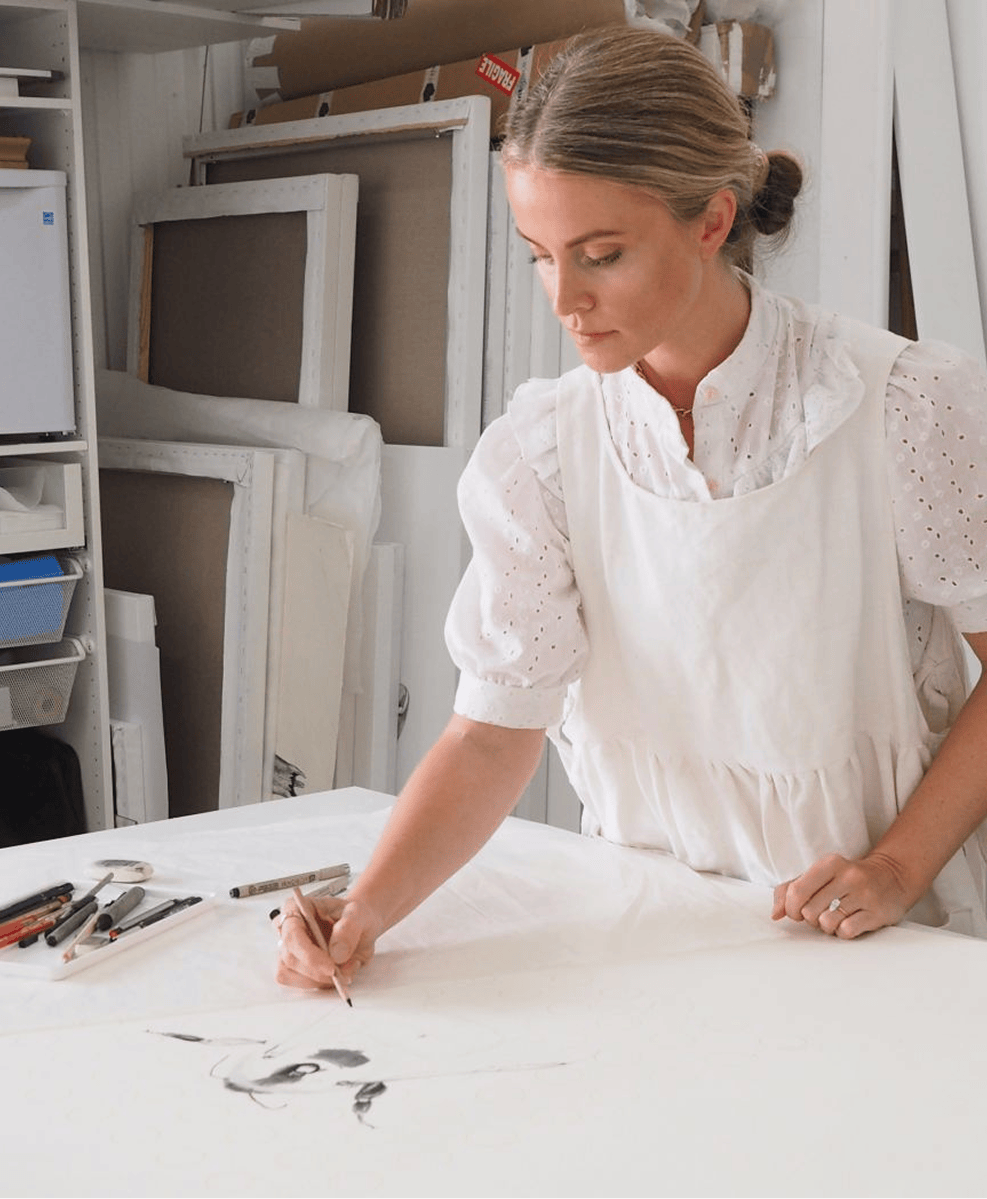
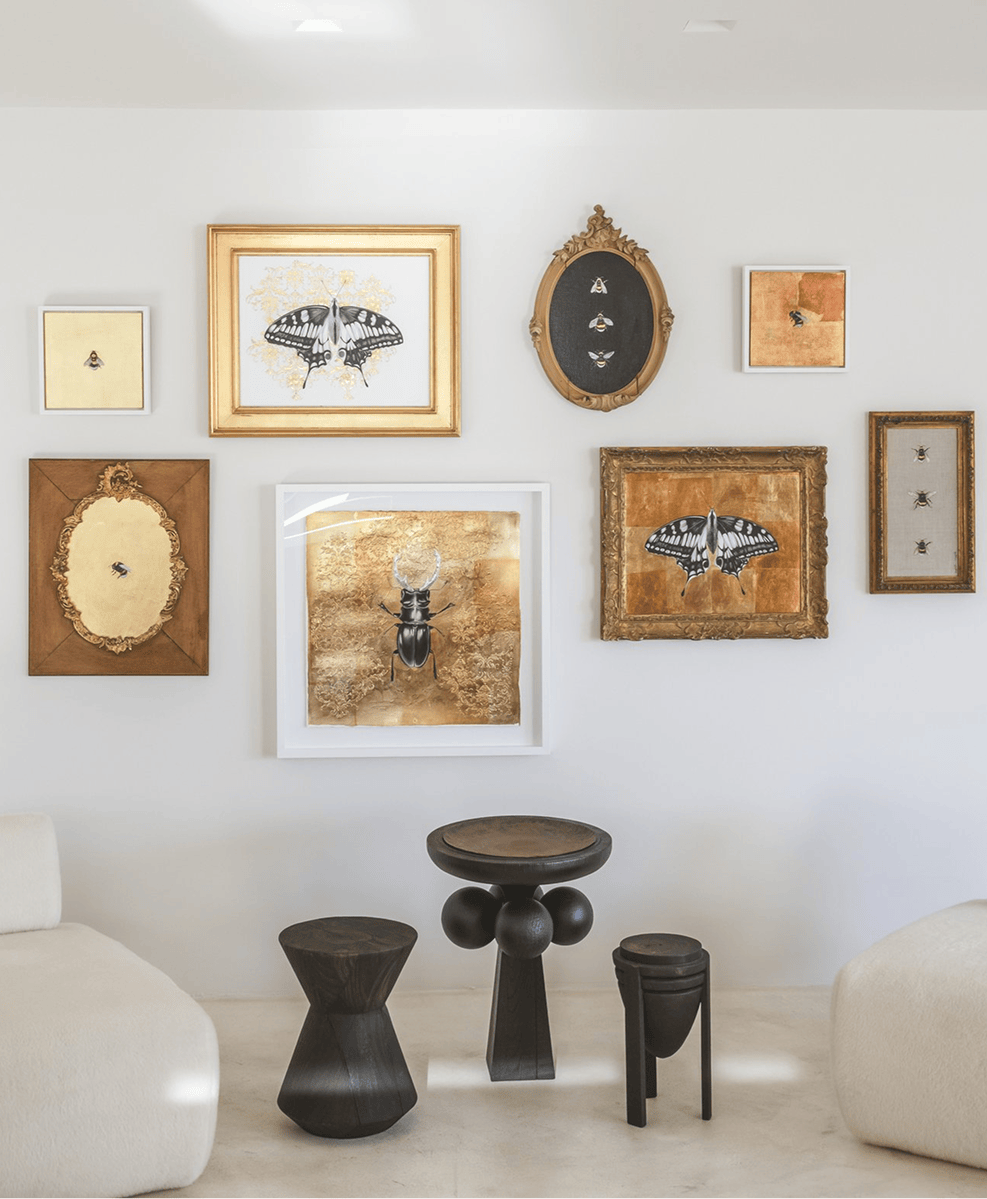
How did you get into art?
I have been an artist since a very young age. I can’t remember a time when I didn’t have a pencil paintbrush or was sculpting something. I’ve never stopped.
I’ve always had an insatiable interest in materials and their properties, and how I can manipulate them. Coming from a family of creatives I believe has meant it was inside me to create. It's what has always felt good to me. I think that's how I know I'm on the right path. From being very small I’d make games from cereal packets and magazines - and anything I could get my hands on, scraps of wood, everything made, never interested in the new expensive toys, I was happier in my granddad's wood shed building things or with a glue stick and scissors.
How does art personally help your mental wellbeing?
When I do get some uninterrupted time - which is rare these days with all the going on in the studio, I think you just start to feel flow - you become one with the work and then there is no you anymore, everything is quieted in your brain -which is why it is so important to carve out that time. If I don’t do it, my mental health suffers.
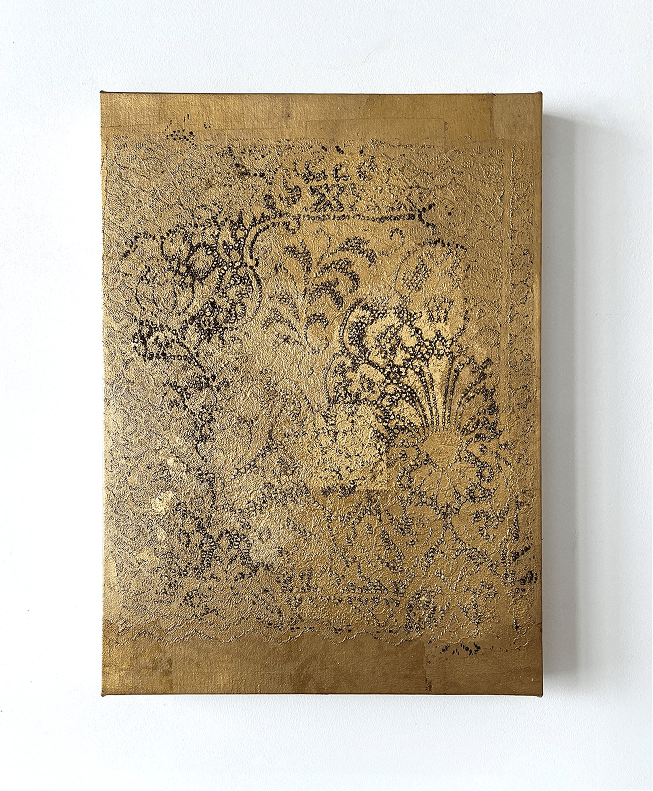
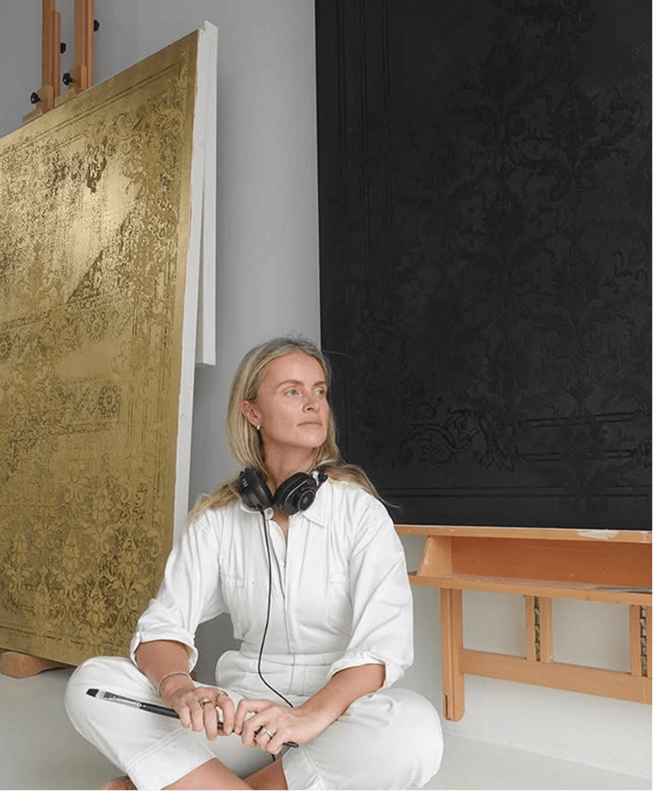
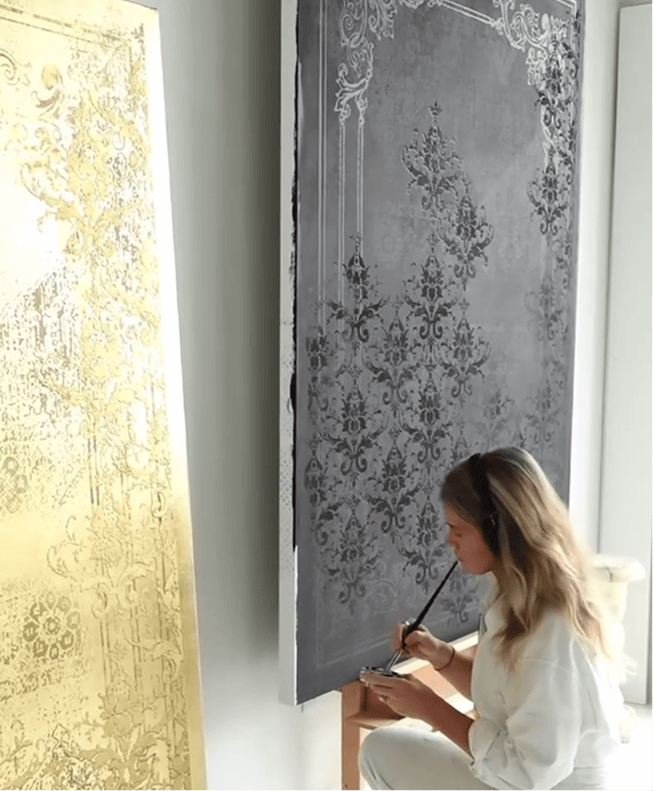
What other practices have you brought into your work, which helps your wellbeing?
The biggest is probably spending 3-4months in France every year. I still work there, however I get to step away from the hustle of the USA and find solitude and rest in my bubble. I feel like I'm transported back into this romantic time, my work changes, and I get a new perspective on work/life. It also means when I'm in the USA I take advantage of more of the opportunities that come my way - knowing that I get respite from it all while I'm there. It's a nice balance.
While that's a big change that not everyone can do, I think the smaller things you do daily have a bigger impact - planning for the day/week ahead, allocating hours to work on something, and then move on if it's not done in that time window, has helped me a lot recently. I love this app called Blinkist, which gives bitesize chapters on non fiction books - none are more than 15 mins, and I listen to them in the car on the way too and from work - their advice is great and I take that with me into the workday. I listen to audiobooks and podcasts while working. I have a noise machine that blocks out the world around me and helps me focus. I think one of the hardest things we have to deal with in modern life is all the distractions and noise that come our way.
Putting up boundaries and saying no is important and we only really feel angry/annoyed when we let ourselves down on those boundaries - it's something I'm still learning and working on. I've also deleted all notifications on any apps, and I put my phone in work mode while I'm at work so only important work calls can come through. I've also blocked group texts on my phone - they drive me mental.
How do you perceive the relationship between art and mental health?
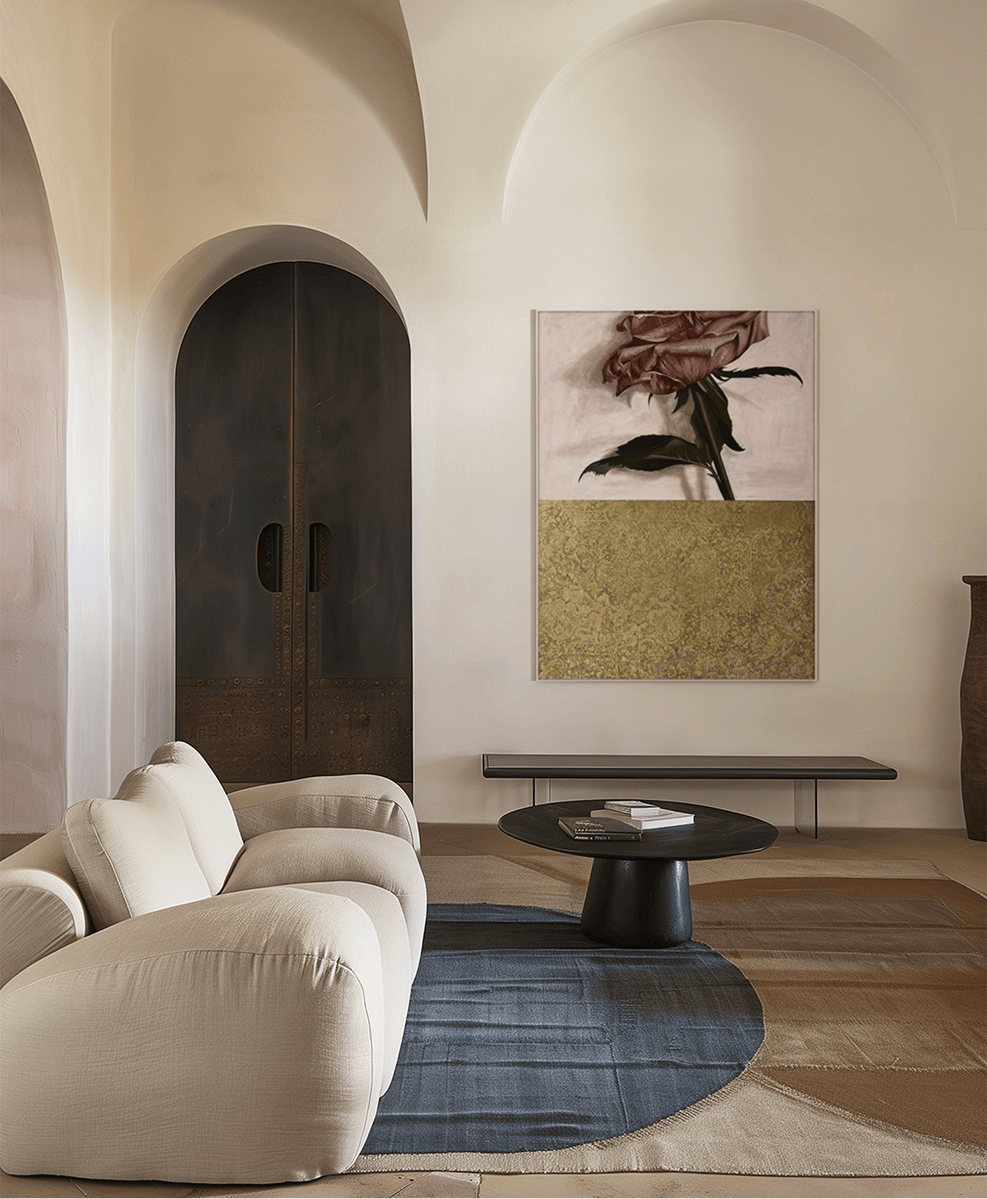
I think it's only positive for the artists and the consumer of art - in real terms, I'm not talking about consuming art on a screen. By physically going to a museum, concert, or even the theatre, will always make you feel better - and so will creating art.
As artists, I think the danger of poor mental health comes from the pain and loneliness that artists go through to become successful, no artist that creates good work has lived a sheltered life without trauma, so it hurts to create art - but art is an outlet and therefore a therapy. I think it's a circle. You have to be bold to create art, and put it out there so you are vulnerable sharing your wounds, but that in itself is a courageous act - so sometimes the art heals you in ways you wouldn't get anywhere else. It gives you a platform to recover on.
What do you love most about your work?
I love when I have wrestled with a piece and upon finishing it it tells you something new. Every piece is different and there is no exact planning for how a painting will turn out. I just recently finished a study of a Lioness, and I look at her everyday in my studio and she tells me something new - I'm feeding my energy off her, she's stunning and has so much to say. I’m not willing to part with her yet! Of course there are the pieces that can have the opposite effect!
Follow Elizabeth Waggett on Instagram here.
Discover more of THE PILLAR JOURNAL

KEEP UP TO DATE
FOLLOW @PILLARWELLBEING